Best Word Games Like Wordle in 2026 (Free Daily Picks)
You already know the feeling. Coffee in one hand, phone in the other, green and yellow squares lighting up the grid, and suddenly a quiet little dopamine hit before the day's even started. Wordle turned five letters and six guesses into one of the simplest rituals on the internet — guess the secret word, share the pattern, move on with your day.
And yet. Here you are. Googling Wordle alternatives again.
That's not a failure of Wordle. It's the ritual doing its job. The puzzle isn't really the point. The point is the two minutes a day where nothing else exists except you and the grid. Once that habit locks in, one puzzle stops being enough. You want the full breakfast.
And we've brought the feast of word games like it for the year 2026.
Why We're All Still Chasing the Wordle High
The economics noticed, too. Josh Wardle sold Wordle to the New York Times in early 2022 for a reported seven figures — the feel-good story of a software engineer making a pandemic gift for his partner and accidentally building a cultural moment. What followed was a gold rush. Hundreds of daily puzzle games launched over the next 18 months. Most didn't survive a year. The ones that did — Quordle, Connections, Crosswordle, a handful of others — didn't just clone Wordle. They found their own niche. That's what we're going for with this list: sorting the survivors from the clones, and the clones from the ones that actually improved on the original.
So this is that list. Not the same 10 names every other blog recycled from 2022. This is what's actually worth playing in 2026, organized by how you want to feel when you play it, and ranked by how much of your morning it'll eat.
What Makes a Great Wordle Alternative
Before the list, a quick filter. A puzzle game earns a spot here if:
✅️ It's free. No paywall, no "play three then log in", no subscriptions.
✅️ It runs in the browser. Opening an app store to get a Wordle clone is a big no-no.
✅️ There's a daily mode. The ritual only works if it resets.
✅️ Signup is optional. You should be able to play in five seconds flat, plug-and-play.
✅️ It actually replaces something. Either a different itch than Wordle or a better version of the same one.
Everything below clears that bar. If a game's great but gated behind an app install or a 40-second ad before each puzzle, it doesn't make the cut.
One more filter, the real one: does it work as a habit? A great daily puzzle isn't the hardest one or the prettiest one. It's the one you'll still be playing three months from now at 7:15 a.m. without thinking about it.
Some games on this list are brilliant and won't survive your inbox. Some are modest and will become part of your morning for years. We tried to flag which is which.
Daily Games & Word Puzzles for Those Who Love Wordle
If you want more Wordle and you want it now, start here. These are the ones where the core loop still feels like home.
Dordle
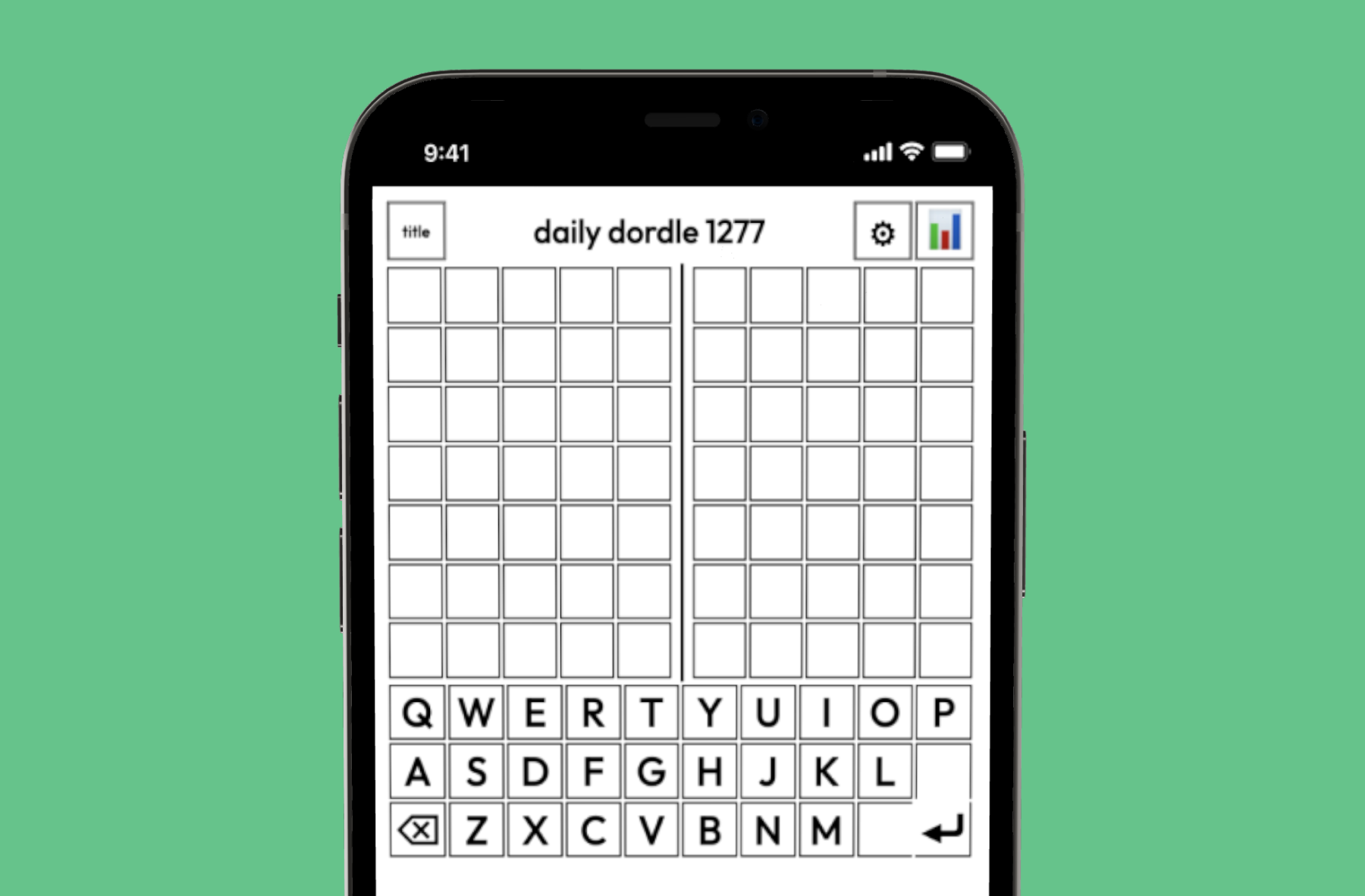
Two Wordles, seven guesses, same base Wordle formula. The math is just generous enough that a confident player can clean it up before the toast pops. Pair it with regular Wordle for a three-minute breakfast combo.
Tactical note: don't waste your opener on a balanced five-letter word like CRANE. Dordle punishes generic starts because both boards can share a lot of the same common letters. Go vowel-heavy on the first guess (AUDIO, ADIEU, OUIJA) and consonant-heavy on the second. Your third guess should be solving one board, not fishing on both.
Quordle
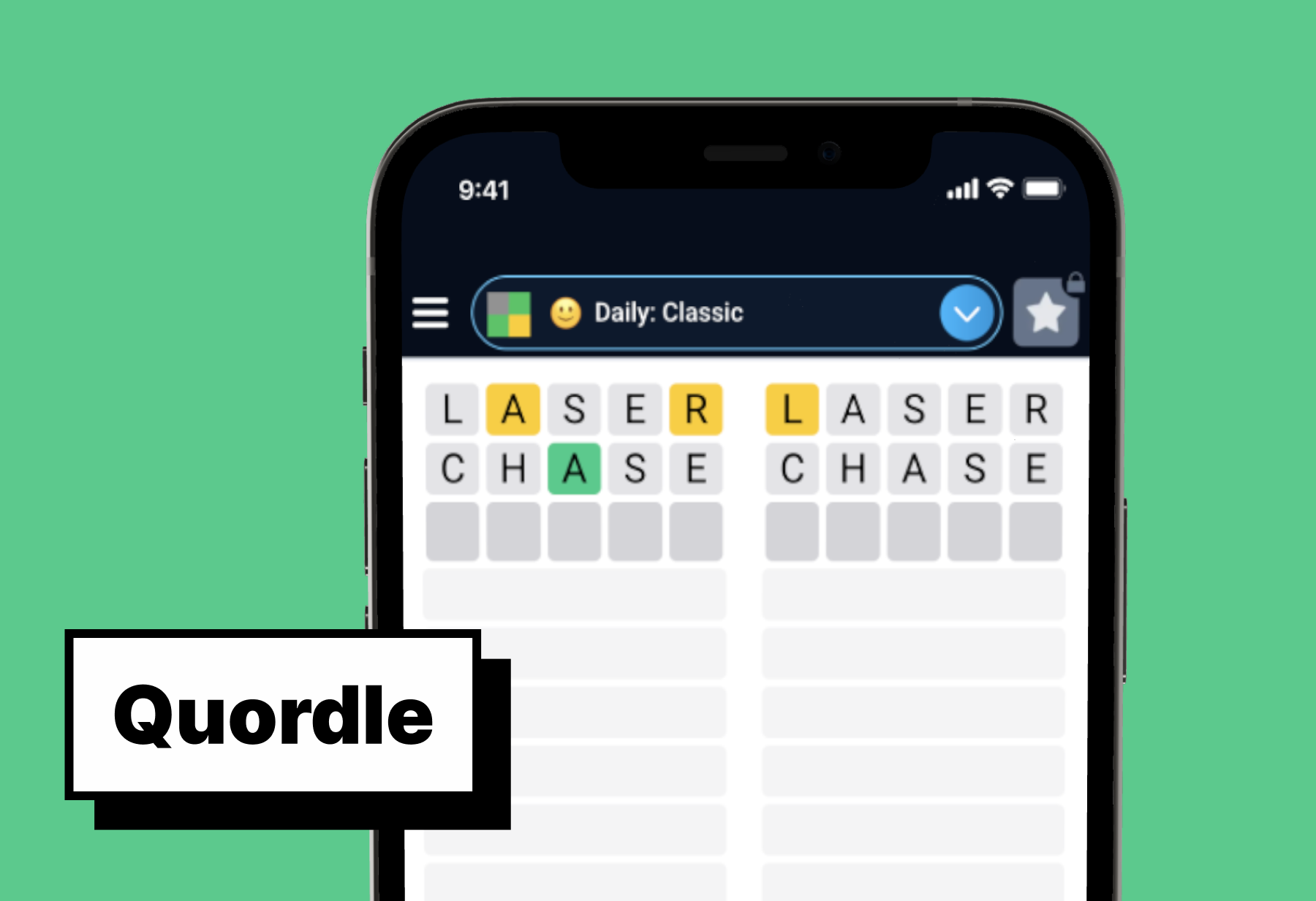
Four Wordles at once. Nine guesses total. Every letter you type fills in all four grids, which means your opener has to work four times as hard. Sounds stressful, but feels incredible when you land it. The daily version is the one to play — the rhythm of four boards in the morning becomes its own thing fast. Another logical step up from classic Wordle.
Octordle
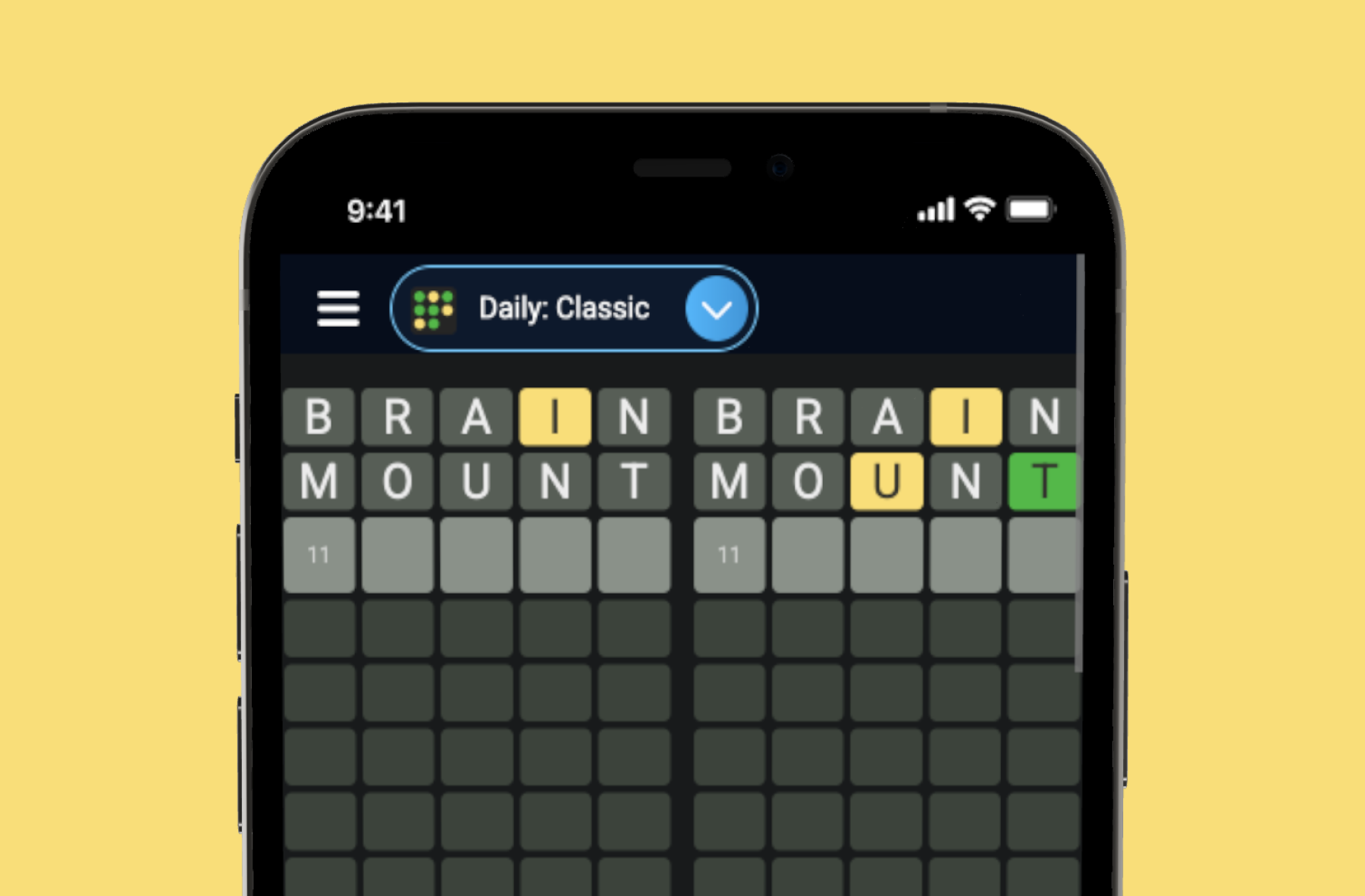
Eight grids. Thirteen guesses. Yeah, it's that many. Octordle is what happens when the Wordle idea does not stop. Daily mode exists, but honestly, free play is where it shines — because when you do lose (and you will, at least, in your first run), you'll want to try again immediately without waiting until tomorrow. Cognitively, it's the heaviest game in this section, and you should allot at least 10 minutes to tackle it.
NYT Connections
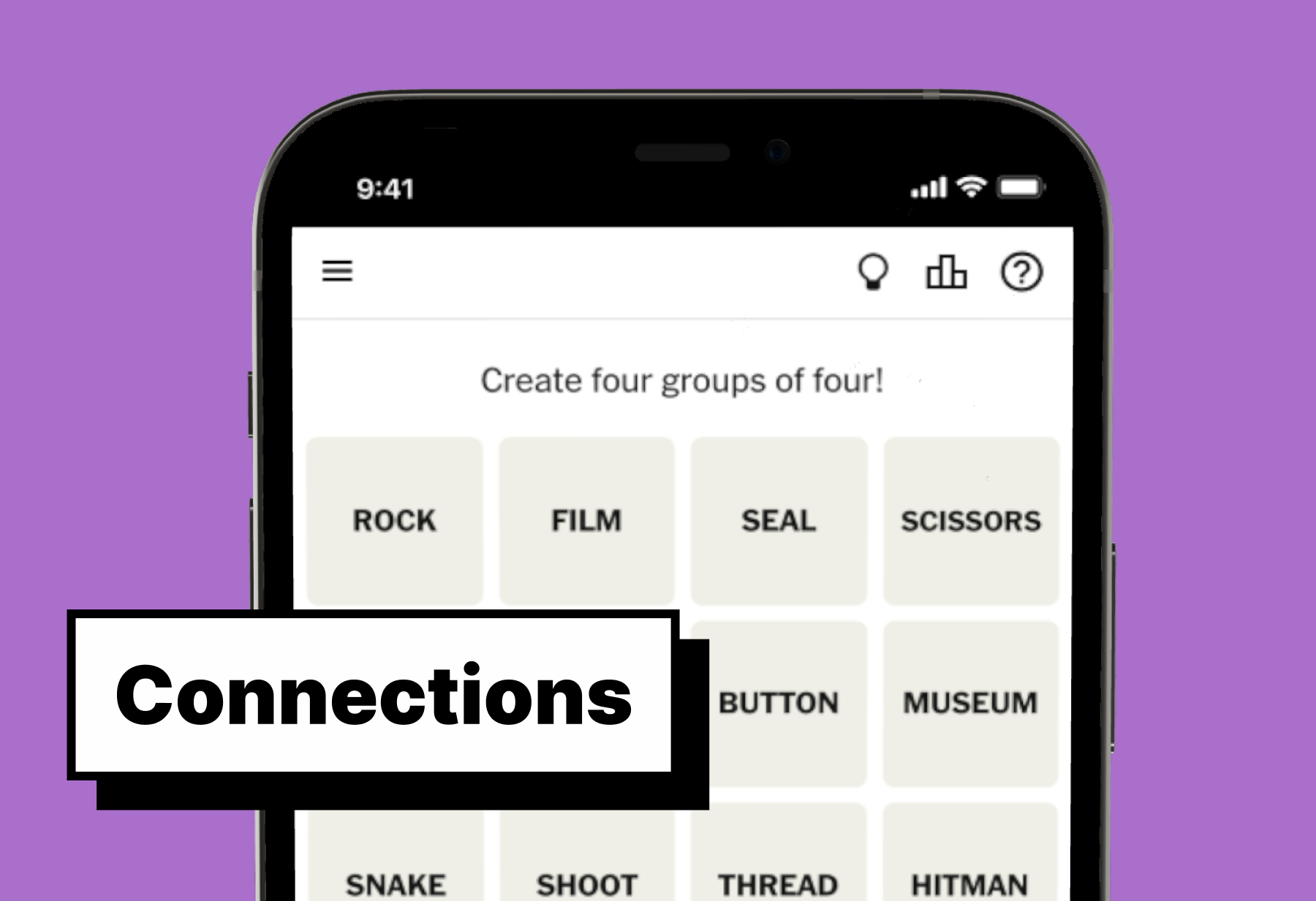
Technically not a Wordle clone at all. It's the NYT's group-16-words-into-four-categories puzzle, and somehow it has colonized every group chat in the country. The fun is in the traps — the puzzle always dangles four words that obviously go together, except one of them belongs somewhere else. A three-minute game that feels like 20 minutes of satisfaction when you solve it purple-first.
Waffle
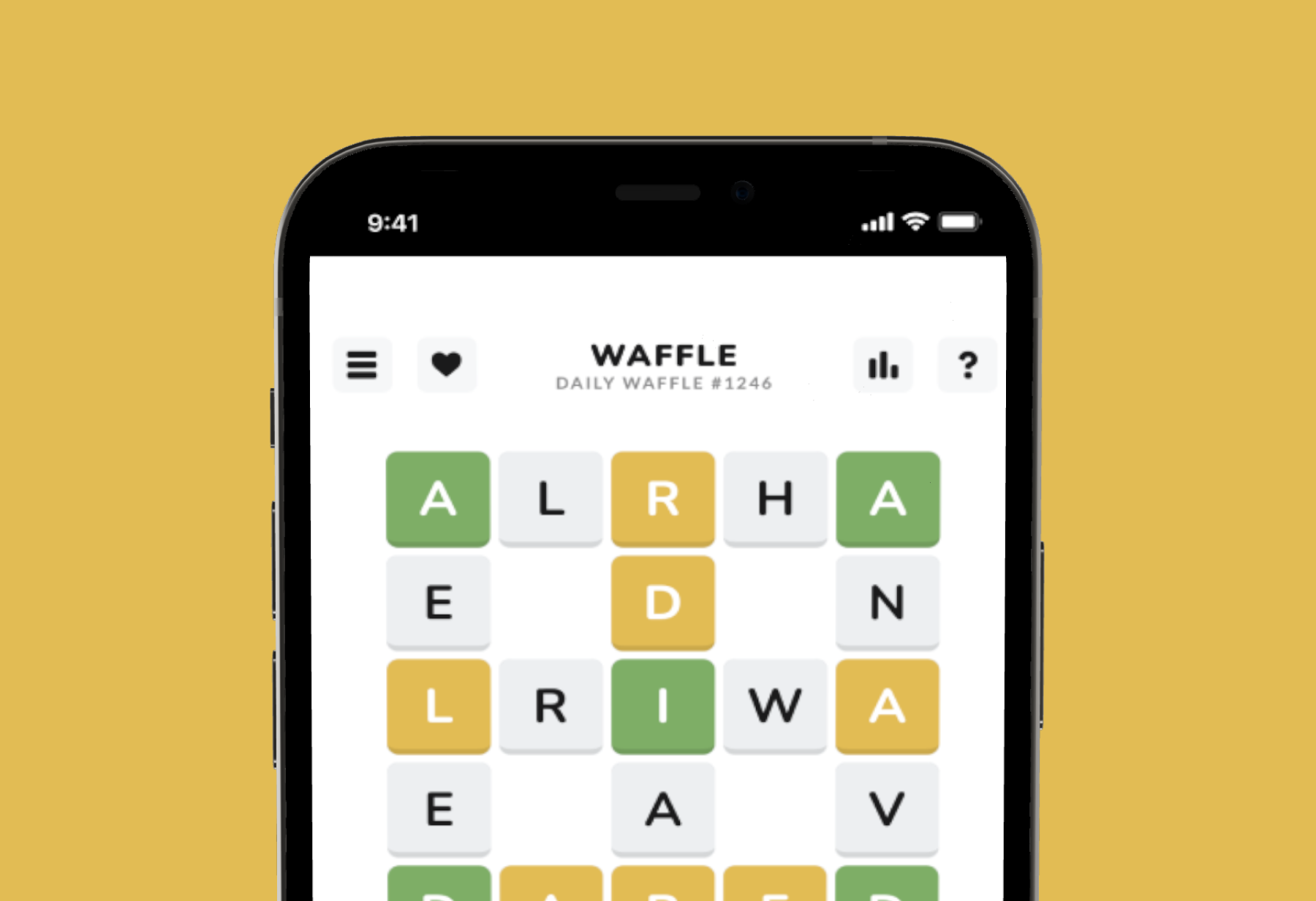
Fifteen swaps to unscramble a waffle-shaped grid of six words, Waffle's creator has made something weirdly meditative. The solution is always right there on the screen — you just have to find the right order. Great for the mornings when your brain isn't quite ready for pure recall but still wants something to chew on. Usually solvable in under four minutes.
The scoring matters here. Solving a Waffle is easy; solving it in the minimum number of swaps (which gets you a "star" result) is where the real game is. Start with the green tiles already in the right spot, ignore them, and treat everything else as a logic puzzle about which yellow tiles can only live in one place.
Crosswordle (7x7)
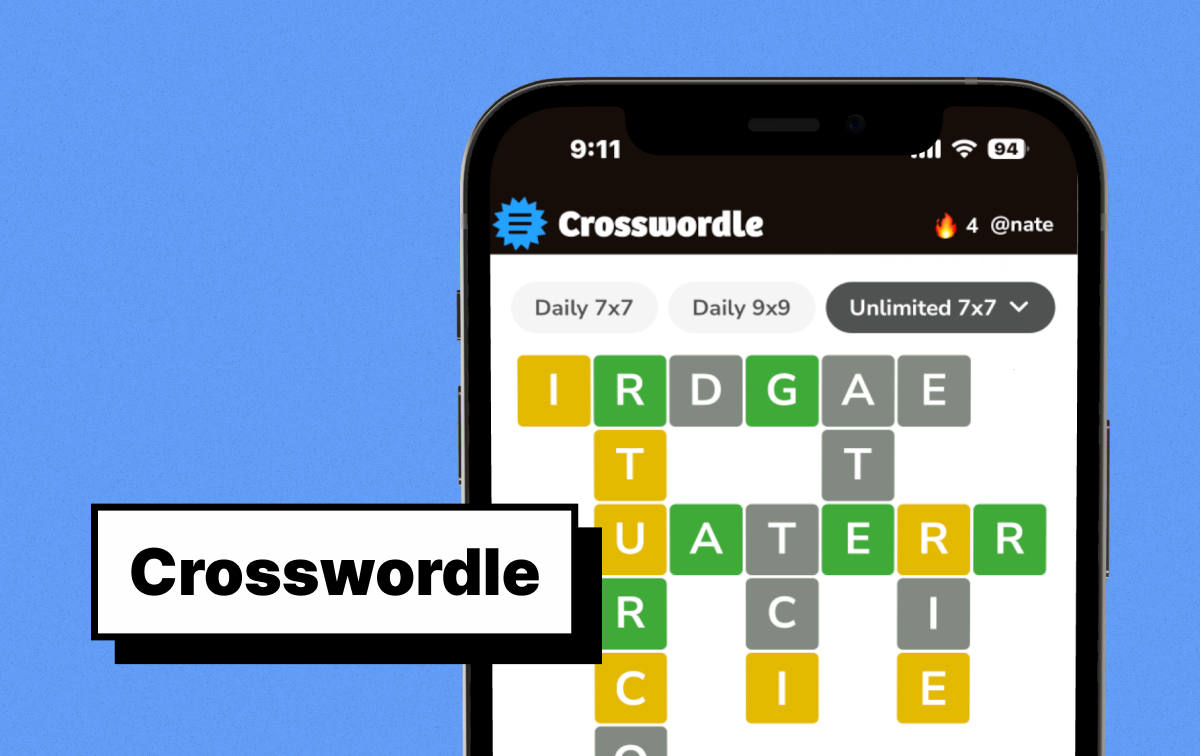
A proper crossword-Wordle hybrid with a daily puzzle. Bigger commitment than Wordle (think five to 10 minutes), but the payoff is bigger, too, because you end up with a full mini-crossword's worth of words. A good candidate for your "second coffee" slot.
Play Crosswordle Daily 7x7 now →
Daily Puzzle Games Like Wordle But With a Twist
Same itch, different scratch. These swap the rigid five-letter grid for anagrams, scrambles and letter-building, which lights up a different part of your brain than vanilla Wordle does.
WordGa
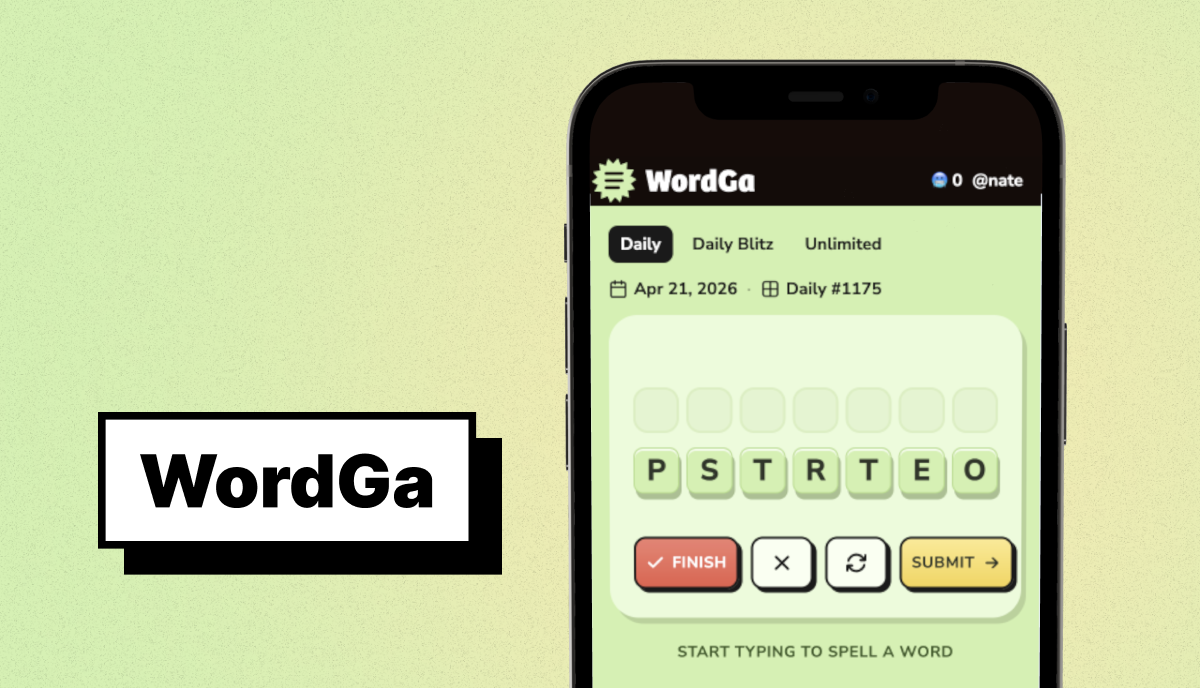
Wordga is a daily letter scramble game made by Daniel Tait and updated by Hey, Good Game. You get a pool of letters and make as many words as you can before the timer runs out. Don't mind the name, it's the gameplay that makes it very worth it. Here, three modes matter:
- Daily Run (the main puzzle, about two to three minutes),
- Daily Blitz (a sub-two-minute sprint version), and
- Unlimited (for when you finish the daily and can't stop)
This is a word game that rewards vocabulary breadth instead of pure word-guessing luck. If Wordle is the crossword mini, Wordga is the anagram section — same newspaper habit, different muscle.
NYT Spelling Bee
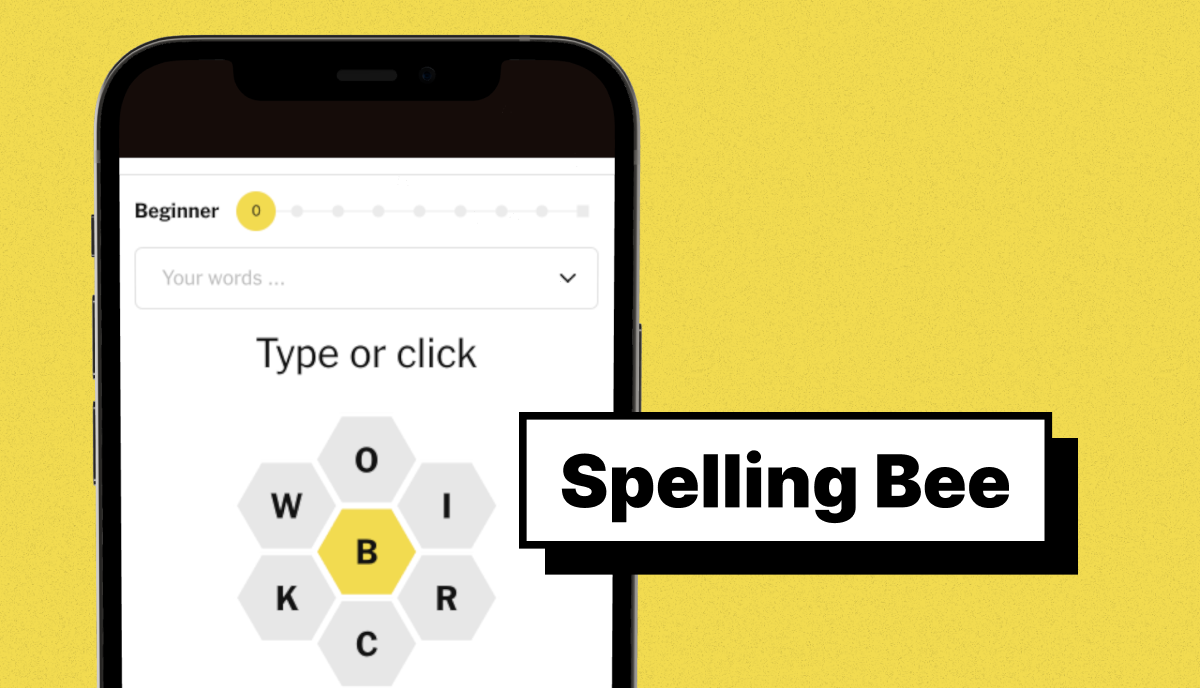
Seven letters, one required, build every word you can find. "Queen Bee" status (finding every possible word) is a 45-minute commitment most days, but the base game is satisfying in five. The kind of game that gets stuck in your head at red lights. While one of the best daily puzzles the Times makes, it only offers one game a day for free users, making Wordga a far better choice if you're looking for a letter scramble game.
Anagrama
The classic anagram engine in modern clothes. Scramble, unscramble, score. Very light. Very fast. Works on a phone with one hand. Not the deepest game on this list, but a perfect 90-second palate cleanser between meetings.
The version most people play now is the browser port you'll find aggregated on sites like hey.gg, which strips out the ads and lets you just play. Worth bookmarking as your "I have one minute and I don't want to look at my email" game.
Bookworm
Technically older than Wordle by about two decades, and somehow still holds up. Link adjacent letters to form words, clear tiles, chase longer words for more points. A classic that inspired a whole generation of word gamers. Browser versions have proliferated, and most run fine with no signup.
Can be off-putting to more modern players looking for a sleek UI and appearance, but the gameplay remains engaging and satisfying even now.
Pair Down
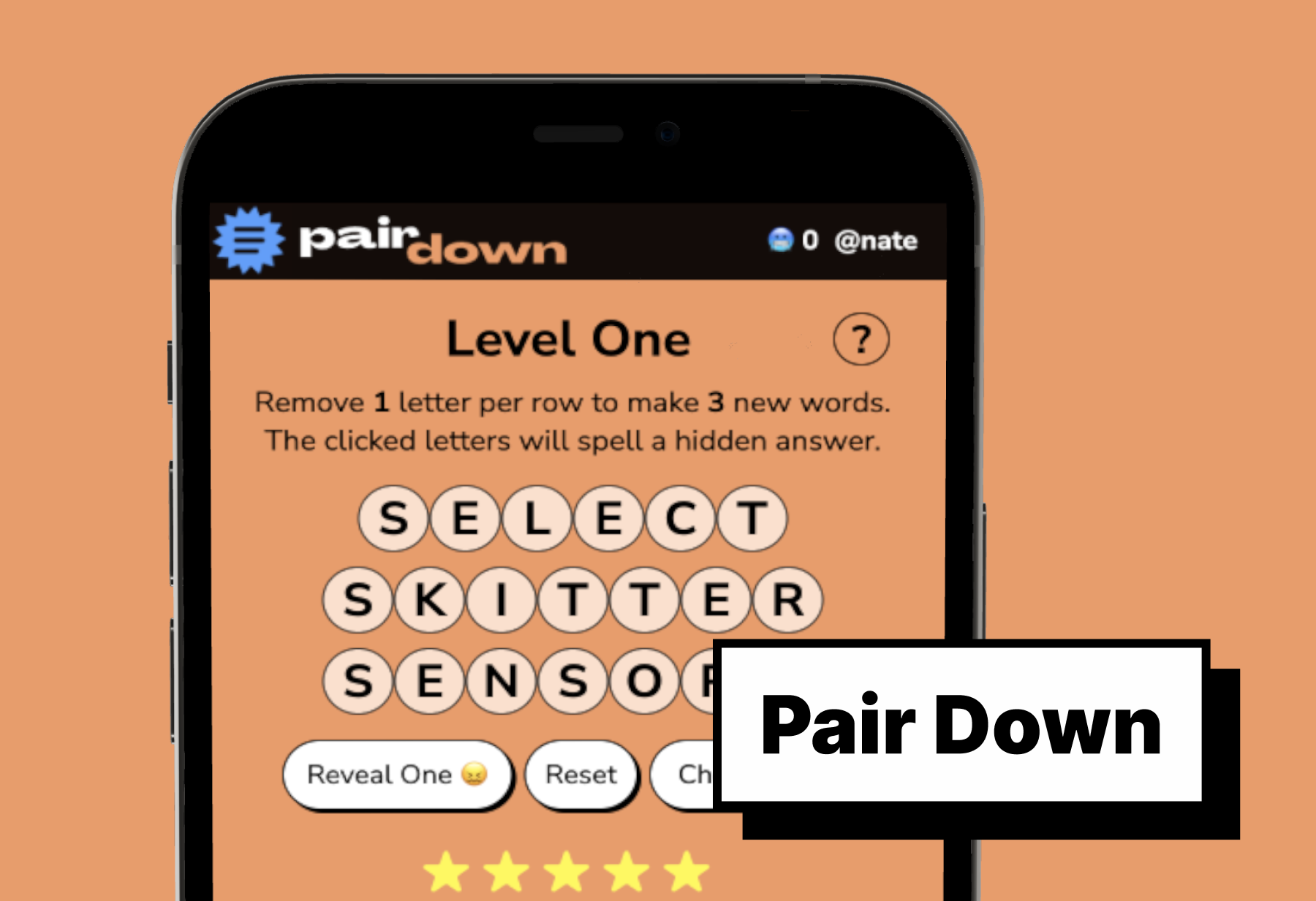
Newer entry, and a well-made one from very prolific setters. You trim away letters to reveal hidden words—and the letters you remove spell something new. Daily puzzle, no timer, quiet little brain-teaser energy. A great combination of pattern recognition and vocabulary, this is one of the few genuinely new mechanics in this whole list.
Squeezy
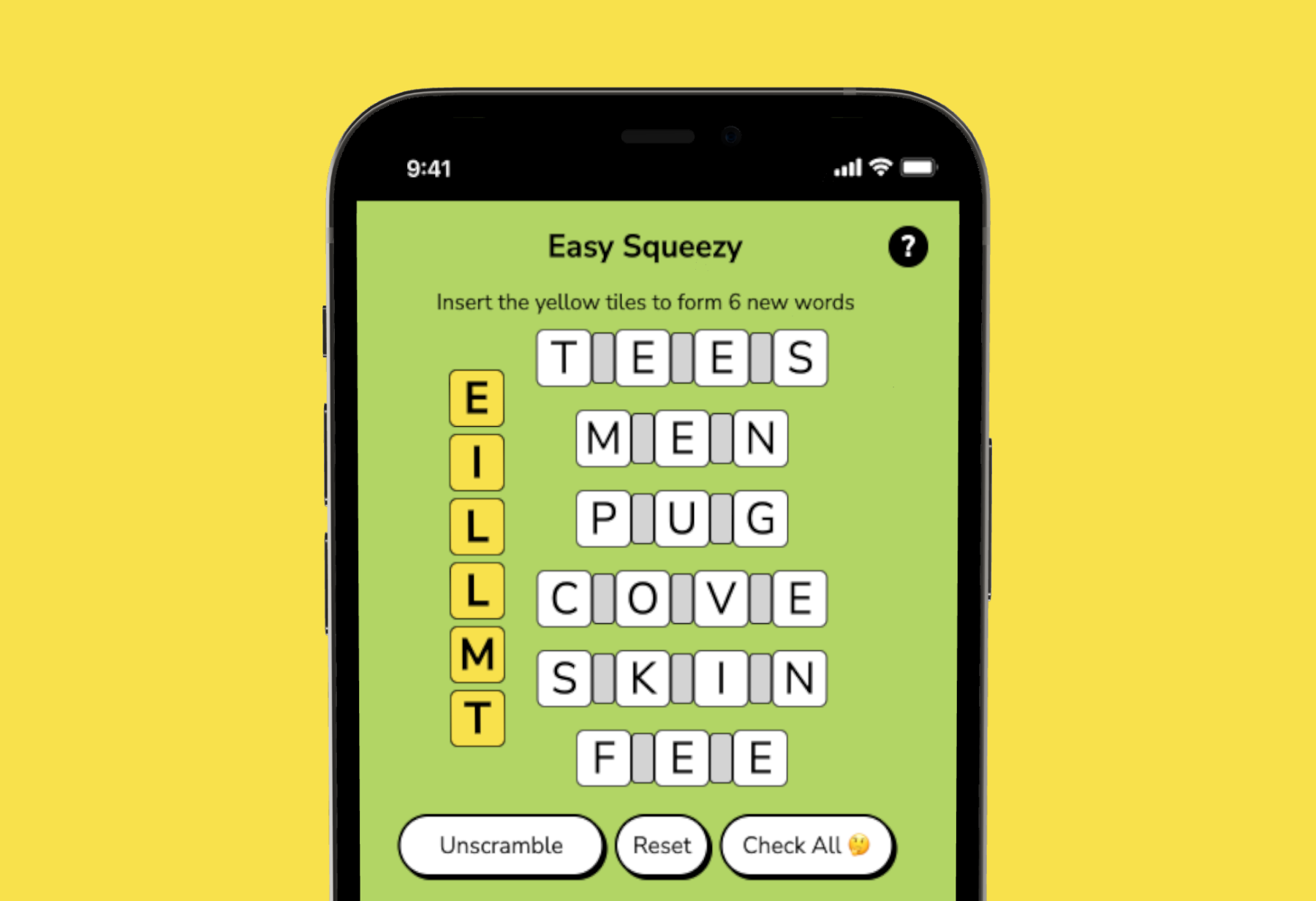
The "I have 90 seconds" option. Squeezy gives you a short set of words and letters, where you squeeze in new letters into old words and turn them into new words. No daily/unlimited split — just a mode for a quick game and another one if you feel you want more. Great for a commute and lounging in a waiting room. A legitimately good five-minute total game.
Other Games & Logic Grids That Challenge Like Wordle
This is where Wordle players end up after six months. The word mechanic stops being the draw, and the grid-deduction feeling is the real itch. These are heavier lifts, usually five to 15 minutes, and worth every minute.
Crosswordle (9x9)
Already covered above in the "closest replacements" section, but it earns a second mention here because the deduction layer is where it really lives, and the 9x9 grids give a lot more to chew. If you like working out what a letter must be based on cross-constraints, this is purpose-built for you.
Play Crosswordle Daily 9x9 now →
Hitori Conquest
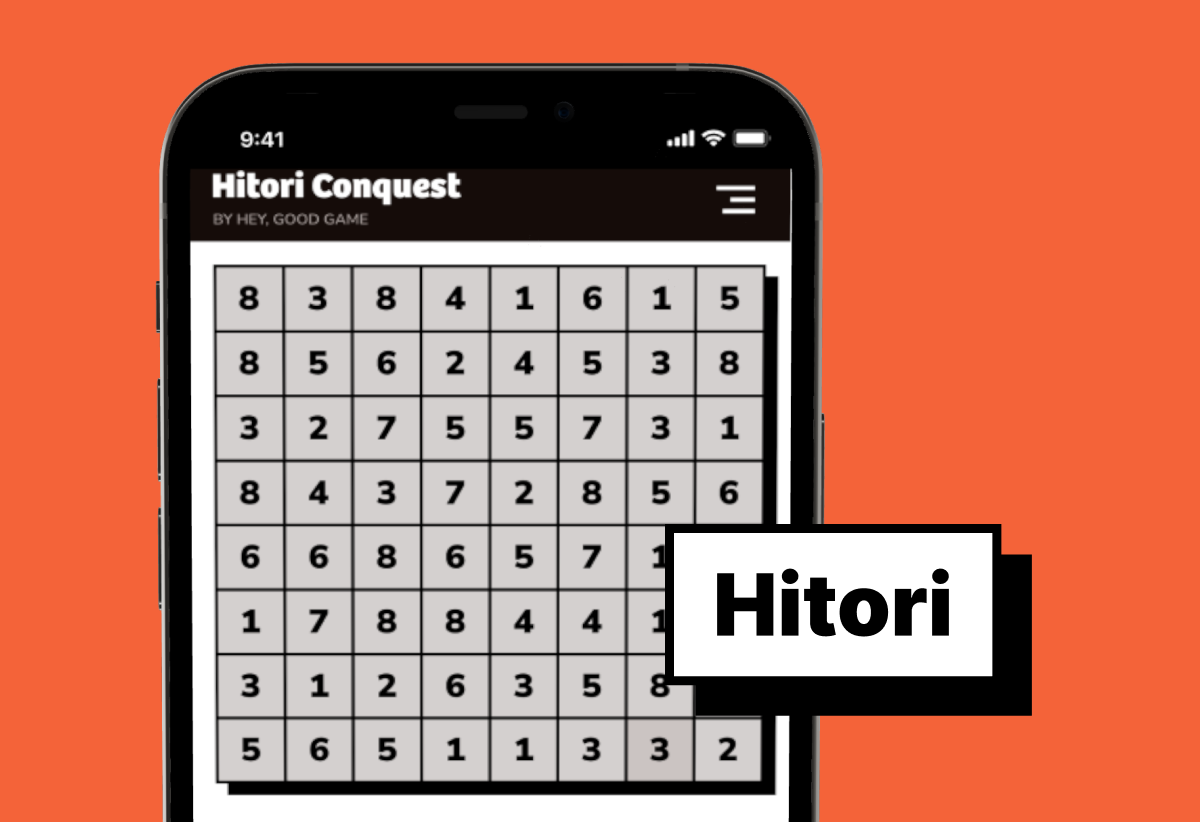
A Japanese logic puzzle wearing a Wordle-adjacent coat. Shade cells so that no number repeats in any row or column, and shaded cells can't touch. Pure deduction. No guessing. A proper brain workout in 8 to 12 minutes.
Queens Ultimate
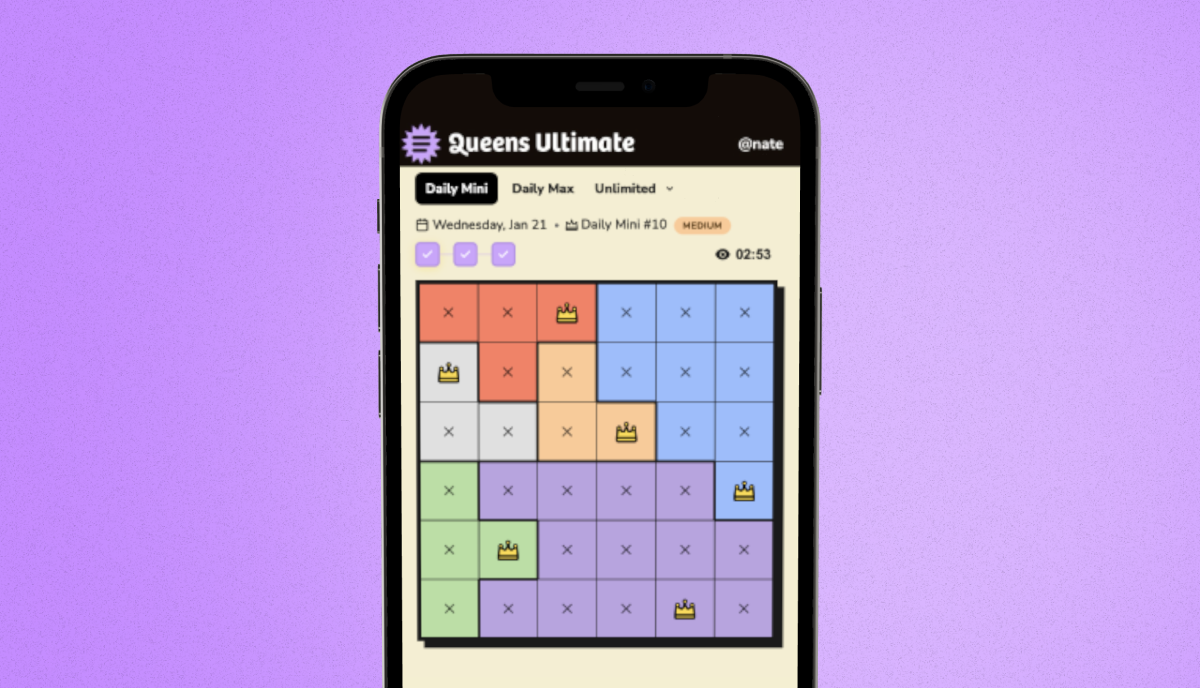
LinkedIn's Queens puzzle stretched into a bigger daily experience. Place a queen in every row, column and colored region so that no two queens touch. The size of the daily Ultimate version makes it a 10-minute commitment on tougher days, and you'll feel smarter after.
Sumplete
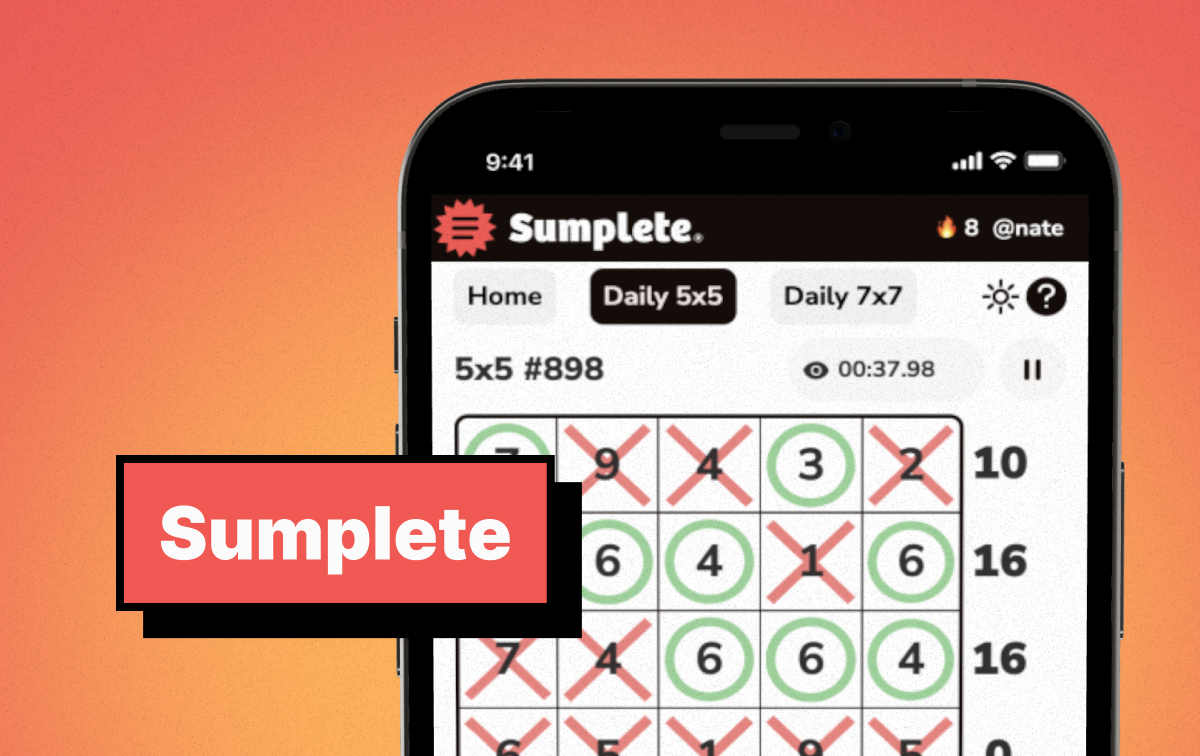
Nikoli-style number-crossing puzzle. Cross out numbers in a grid so each row and column hits a target sum. Lighter than it sounds. The dopamine is in the chain reactions — one crossed number unlocks the next. Daily puzzles scale from small (three-minute solve) to 9x9 monsters (20+ minutes).
Mathler
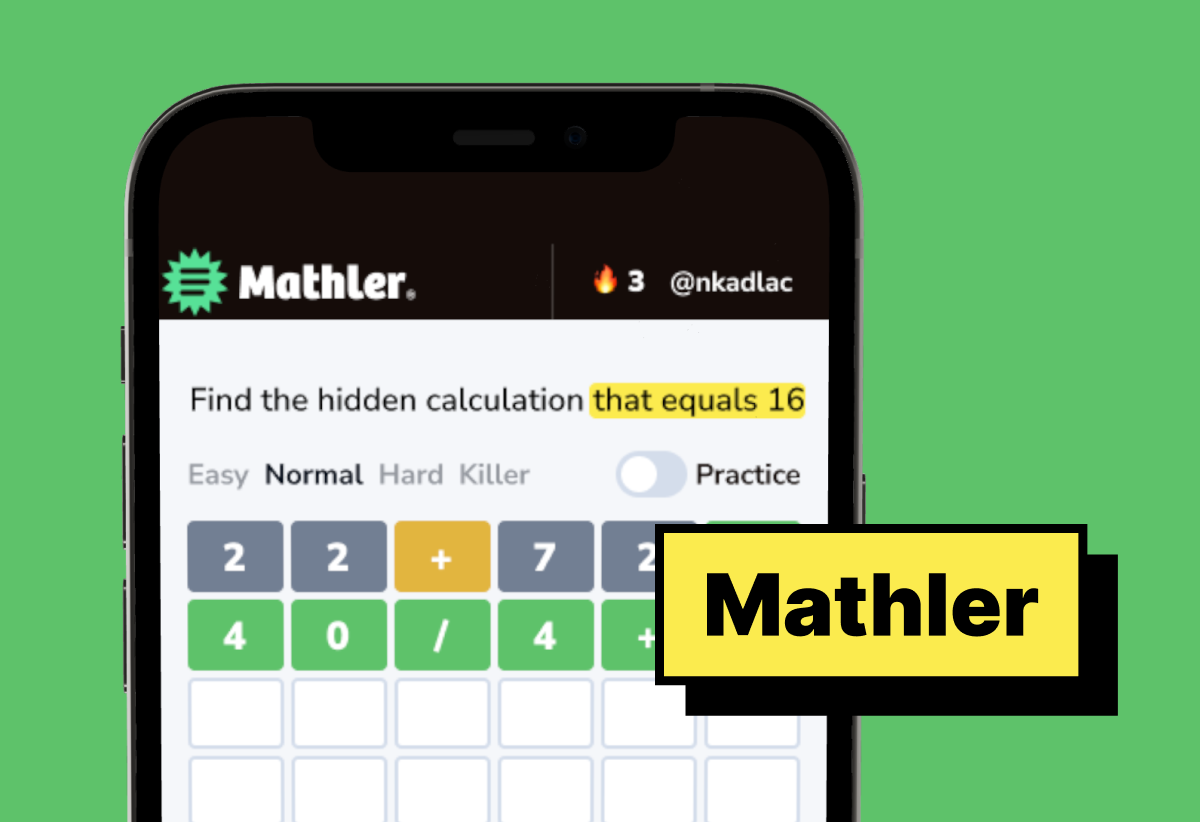
Wordle for math people. Guess the hidden equation in six tries, green/yellow/gray feedback on each digit and operator. Has different modes and was recently updated with a very helpful interactive tutorial. If you got flashbacks to middle-school equation-balancing reading that sentence, skip it. If you felt excited, this is your new daily.
NYT Strands
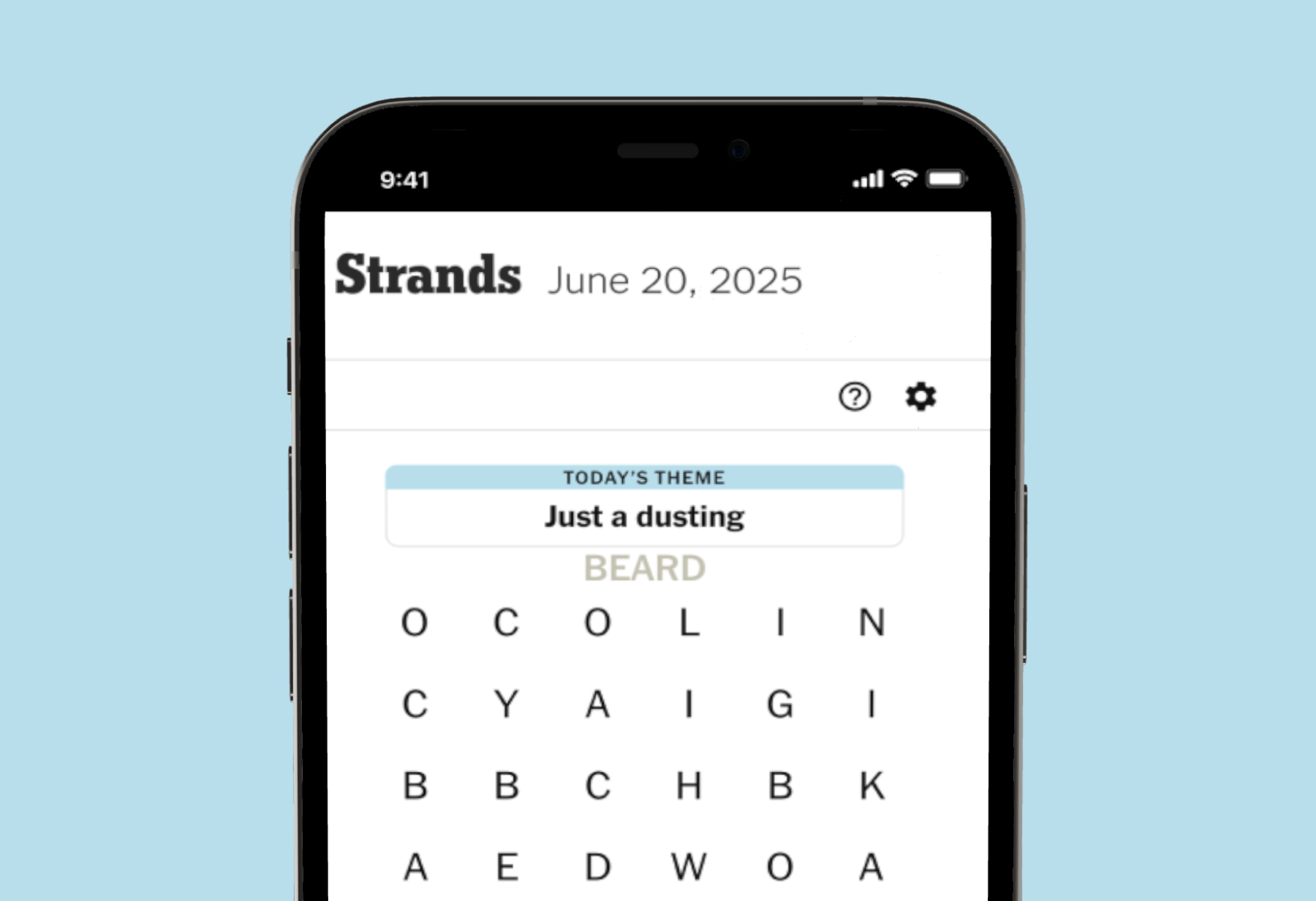
The NYT's theme-based word search. Connect letters to find themed words hidden in a grid, including one "Spangram" that crosses the whole thing. Wildly popular. Plays somewhere between a word search and a riddle, because the theme is sometimes the actual puzzle.
NYT Letter Boxed
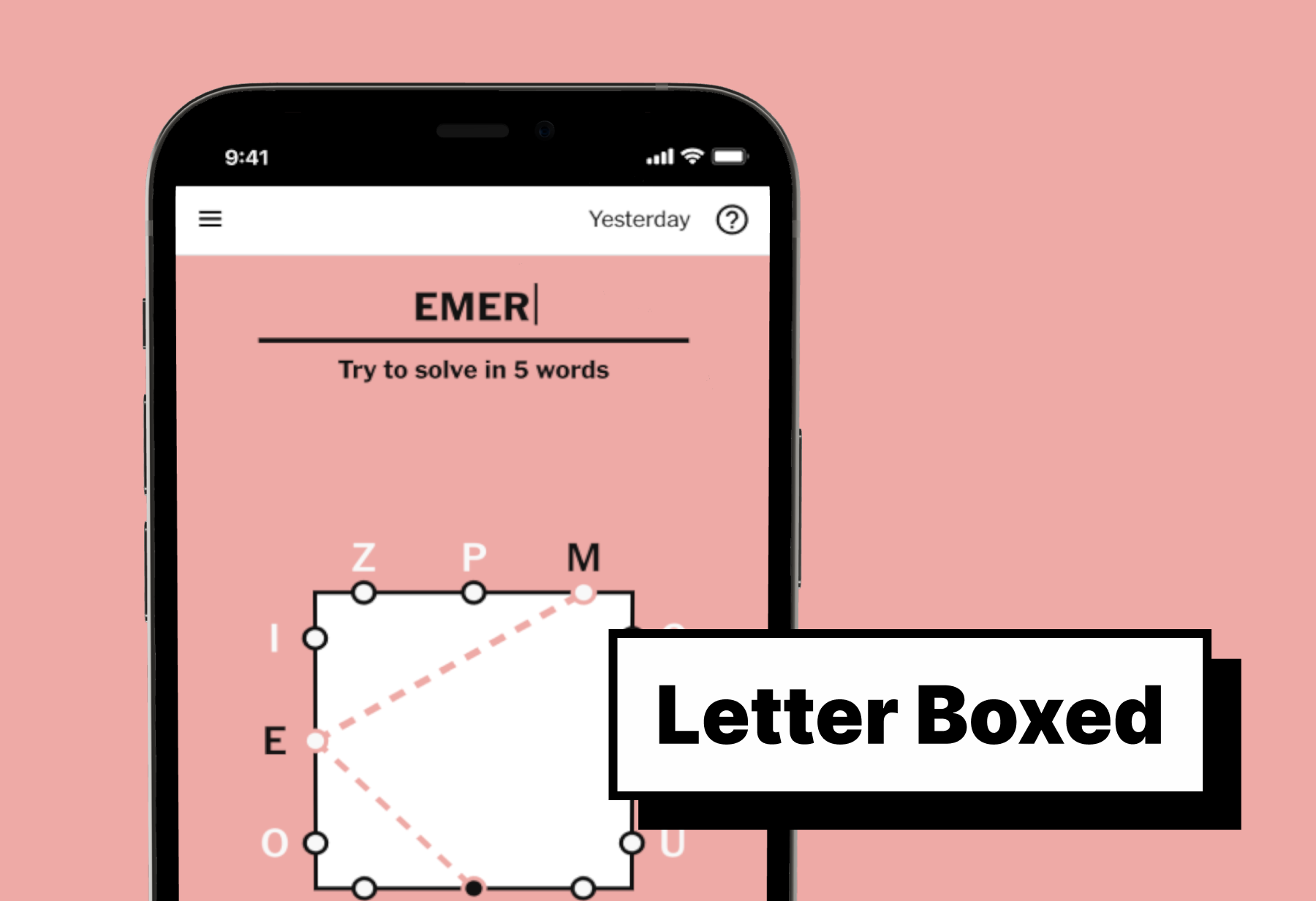
Twelve letters, four sides of a box, chain words where no two adjacent letters come from the same side. Solve the daily in as few words as possible. Of all the NYT games, this one has the highest "stare at your phone in frustration" ratio. And it might also be the most satisfying when it finally clicks.
The trick most people miss: don't try to solve it in two words on your first attempt. The "two-word solve" is the gold standard, but chasing it from the jump will eat 20 minutes. Start by finding any valid five-word solve, then work backwards to trim. The target score matters more than the flex.
Context & Long Minute Cryptic Word Games
These don't look like Wordle. They play nothing like Wordle and force more lateral thinking. But they fill the same morning slot, and some people love them more than the original.
Semantle
Guess the secret word based on semantic similarity. Every guess returns a closeness score based on word-vector distance, and you slowly, painfully narrow in. No letter feedback. No grid. Just you, your vocabulary and a cold, indifferent number creeping upward. Semantle's creator made this game the closest this list gets to a horror game. Also, weirdly addictive even when there are times when no single person solves the daily puzzle.
Contexto
Contexto was made by one man and is known to be Semantle's friendlier cousin. Instead of a raw similarity number, Contexto gives you a ranked guess list (you were guess #417 out of the dictionary). Same mechanic, less existential dread. Solvable by normal humans in 20 to 40 guesses (though there are also times no one is able to solve the daily puzzle).
Strategy tip for anyone new: your first three guesses should be wildly different concepts (something like HOUSE, DEMOCRACY, BREATHE). You're not trying to guess the word. You're trying to figure out what category it lives in. Once one of those three returns a low number, narrow from there.
NYT Connections
Already covered earlier, but the game also belongs here. It lives in both worlds — technically a categorization game, emotionally a Wordle replacement. If you only have time for one NYT game, it's this one.
Murdle
A daily logic mystery. You get clues, suspects, weapons and locations. You fill in a grid. You name the killer. Structurally, it's sudoku-for-Agatha-Christie-fans, and the Murdle creator made a daily version that is right-sized at 8 to 12 minutes. Vastly more fun than it looks, especially when things get rolling.
Games That Have Gone Beyond Multi-Board Difficulty Levels
For the people who look at Quordle and think "add more." Skip this section if you're a casual word gamer. If you feel like the earlier Wordle clones were too easy, this is where you should be.
Sedecordle
Sixteen grids. Twenty-one guesses. Yes, really. This is the point where multi-Wordle stops being a brain exercise and starts being a character test. Pace yourself. Take notes. Budget 20 minutes and do not do it with a hangover.
Duotrigordle
Thirty-two grids. Thirty-seven guesses. The stupidest game on this list, and we say that lovingly. There is no reason for this to exist, and yet once a week, it is deeply fun. The endgame rush of clearing 28 boards and hunting the last four is like nothing else in word games.
(Quordle and Octordle both live here spiritually and are covered up in the "closest replacements" section.)
Wordle Alternatives at a Glance
| Game | Time | Mechanic | Daily? | Unlimited Guesses? |
|---|---|---|---|---|
| Wordle | 2–4 min | Guess one secret word in 6 tries | Yes | No |
| Dordle | 3–5 min | Two secret words, 7 guesses | Yes | No |
| Quordle | 4–6 min | Four secret words, 9 guesses | Yes | No |
| Octordle | 8–12 min | Eight secret words, 13 guesses | Yes | No |
| Wordga | 2–5 min | Find every word in a 7-letter scramble | Yes | Yes (Unlimited mode) |
| Spelling Bee | 5–45 min | 7 letters, one required | Yes | Limited on free tier |
| Waffle | 2–4 min | Rearrange 15 tiles into 6 words | Yes | No (15 swaps) |
| Crosswordle | 5–10 min | Crossword + Wordle hybrid | Yes | Yes (Practice) |
| Connections | 3–5 min | Sort 16 words into 4 categories | Yes | No (4 mistakes) |
| Semantle | 10–40 min | Find secret word by semantic distance | Yes | Yes |
| Contexto | 10–30 min | Find secret word by word-rank | Yes | Yes |
| Strands | 5–10 min | Theme word search + Spangram | Yes | Limited hints |
| Letter Boxed | 5–15 min | Chain words across a 4-sided box | Yes | Yes |
| Murdle | 8–12 min | Logic-grid mystery | Yes | Yes |
| Sedecordle | 15–25 min | 16 secret words, 21 guesses | Yes | No |
| Duotrigordle | 20–40 min | 32 secret words, 37 guesses | Yes | No |
Wordle Alternatives Ranked by Time Commitment
The honest use case. You have a window between coffee and the first meeting. Here's what fits in it.
| Under 2 minutes | 2 to 5 minutes | 5 to 15 minutes | Over 15 minutes |
|---|---|---|---|
| Wordle | Wordga Daily Run | Crosswordle | Octordle |
| Squeezy | Quordle | Strands | Sedecordle |
| Wordga Blitz | Connections | Murdle | Duotrigordle |
| — | Pair Down | NYT Spelling Bee (base) | Sumplete (9x9) |
| — | Waffle | Queens Ultimate | NYT Spelling Bee (Queen Bee) |
| — | Anagrama | — | — |
How to Build a Daily Word Game Habit That Lasts
Anyone can start a streak. Keeping one for a year is a different problem.
Consistency is the hardest part of any routine, from exercise to gaming. A few pointers that might help:
👉 Start with two, not 10. The most common mistake is discovering a list like this one, queuing up eight daily puzzle games, and burning out by Thursday. Pick one quick (under two minutes) and one slow (five to 15 minutes). Add a third only once the first two feel automatic. The ritual has to fit inside your morning before it can grow.
👉 Play at the same time every day. The ritual works because it's predictable. Coffee, phone, puzzle, do it again tomorrow. Moving it around turns it into a chore, and chores get skipped.
👉 Let your streak die if need be. This sounds weird. It isn't. The people who keep playing for years are the ones who treat a missed day as a rest, not a failure. The Streak Police don't exist; it's all just you. Your brain does not care about your 347-day Wordle run. Start a new one tomorrow.
👉 Don't chase the leaderboard. If a game has a social ranking, ignore it for the first month. Leaderboards turn a nice, quiet morning into a performance. That's a different thing, and it's fine to want it eventually, but not day one. Competition should inspire, not burn someone out.
👉 Swap games in and out. If you're grinding a puzzle because you said you would instead of because you want to, drop it. The list is long. Pick up something new. A stale daily is worse than no daily.
The goal isn't a perfect streak. It's a morning where you pick up your phone, solve something small, and feel good for two minutes before the rest of the day gets its hands on you. That's it. That's the whole pitch.
FAQ
What's the closest game to Wordle?
Quordle is a direct step up — same five-letter, six-guess DNA, just stacked four times (four secret words instead of one). If you want the feel without the difficulty spike, Dordle is the gentler version with two secret words and seven guesses.
What are the green and yellow squares in Wordle?
The green and yellow squares are Wordle's feedback system. A green square means the letter is in the right position in the secret word. A yellow square means the letter is in the word, but in a different spot. A gray square means the letter isn't in the word at all. When you share your Wordle result, you're sharing that pattern — not the actual letters — which is how the game went viral without spoiling the daily puzzle.
What's the best free Wordle alternative?
It depends on the itch. For letter scrambling and hunting every correct word in a 7-letter pool, Wordga. For pure daily word-guessing, Quordle. For category-based fun, NYT Connections. All three are free, browser-based and take under five minutes.
What's a Wordle alternative for adults?
Every game on this list works for adults, but the standouts for a grown-up morning routine are Connections (social, shareable), Crosswordle (a meatier crossword puzzle variant) and Murdle (a genuine brain workout). None of these are "kids games with adult mode" — they're just good puzzles.
What's a Wordle-style game with no daily limit?
Unlimited Wordle exists, but gets boring fast. The better picks are Octordle free play, Wordga Unlimited and Crosswordle Unlimited 7x7. All three let you keep going once the daily isn't enough.
What's a word puzzle game with unlimited guesses?
If you want unlimited guesses instead of Wordle's strict six-guess cap, Semantle and Contexto are the classics — both let you fire as many guesses as you need at the secret word, and both are brutal. For a gentler option, Wordga's Unlimited mode gives you an endless stream of 7-letter scrambles with no guess limit and no timer. That's the one to bookmark.
Are there Wordle alternatives that aren't word games?
Yes, and they're some of the best picks on this list. Sumplete (numbers), Mathler (math), Queens Ultimate (logic) and Murdle (mystery) all run the same daily-puzzle ritual without using a single word.
What's a good word game if you've already done today's Wordle?
Honest order: NYT Connections, then Wordga Daily Run, then Strands. That combo takes about 10 minutes and hits anagrams, categories and word search in one breakfast.
Which Wordle-style games are owned by the New York Times?
The NYT owns Wordle, Connections, Strands, Letter Boxed and Spelling Bee. All five are free to play in a browser with no login required, and they're among the strongest daily puzzles on this list. Everything else in this guide is independent — which is part of the fun, because the daily puzzle games world is still mostly hobby projects, small teams and the occasional bigger indie studio.
What happened to the original Wordle creator?
Josh Wardle sold Wordle to the Times in January 2022 for a reported low seven figures and largely stepped back from the daily operations. The core mechanic (five letters, six guesses, green/yellow/gray feedback) is unchanged from his original version. If anything, the NYT editorial polish on word choice has been an upgrade — the answers are cleaner, and the difficulty curve is more consistent across a week.
Are daily word games actually good for your brain?
Honest answer: probably a little, but not for the reason you think. Research on "brain training" games improving general cognition is thin at best. Research on small daily rituals reducing morning anxiety and improving focus is much stronger. These puzzles don't directly make you smarter — they help you learn better.
Start Your New Daily Routine With Unlimited Play!
The Wordle habit was never really about Wordle. It was about the two minutes a day when the puzzle was the only thing in your head. Once you have that ritual, the question isn't whether to play more daily word games; it's which ones.
If you're adding one new puzzle game to the rotation, try Wordga. Yeah, weird name. But it's a lot better than doing the same five-letter grid every morning, and it rewards players who are practicing or confident in their vocabulary. The Unlimited mode gives you unlimited guesses and unlimited puzzles — a good way to end the day, especially when you're trying to fall asleep.
 Mini Crossword
 Midi Crossword
 Diffle
 Killer Sudoku
 Numberle